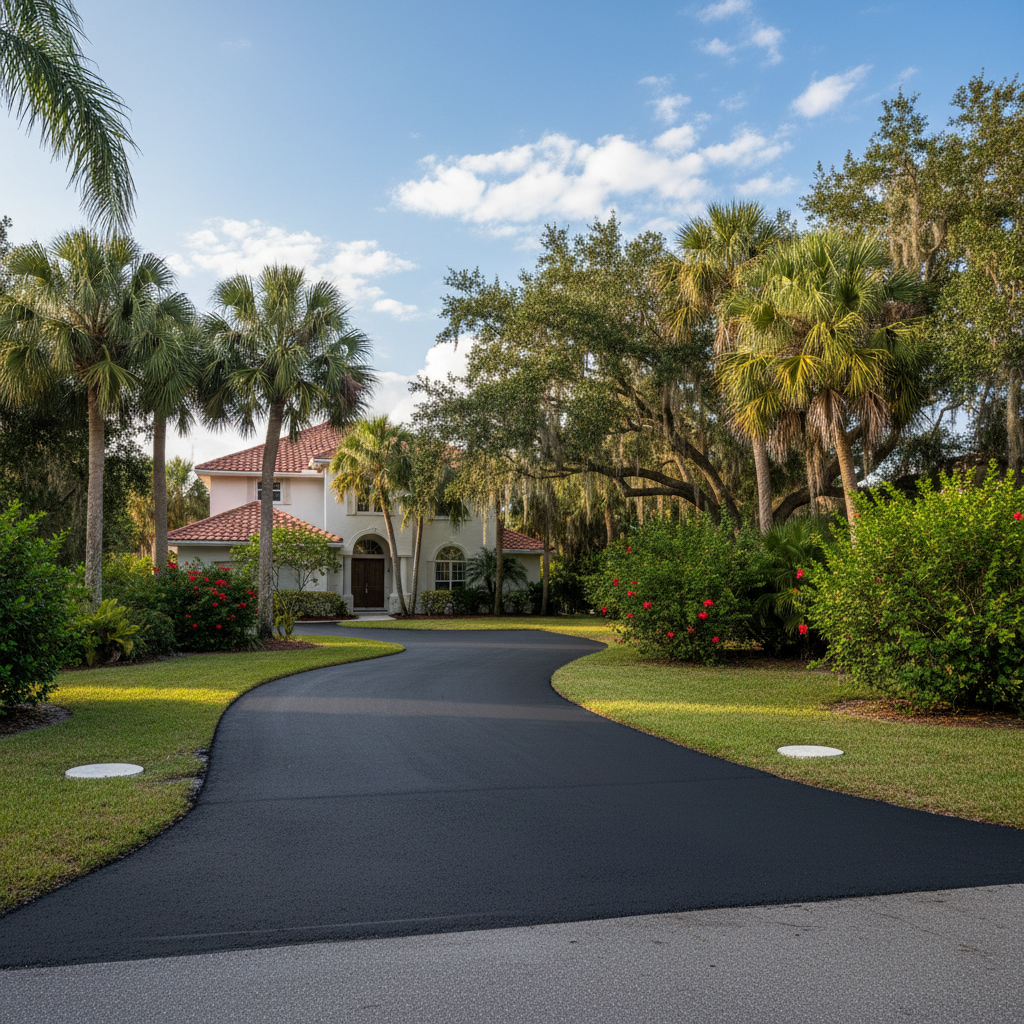
Ever wonder when the best time is to get that driveway fixed or sealcoated here in Daytona? It's not just about when you've got the cash; it's a lot about the weather, and around here, that can be a real wildcard. As someone who's been laying and fixing asphalt for years, I've seen firsthand what our local climate does to driveways. Let's talk about how to protect your investment year-round.
Timing Your Asphalt Work: It's All About the Heat (and Rain)
For most asphalt work, whether it's a new installation, a major repair, or even just sealcoating, temperature is king. You need warm, dry conditions for the materials to cure right. Here in Daytona, that usually means our best windows are spring and fall.
Spring (March-May): This is prime time. The days are getting consistently warm, but we haven't hit the brutal summer humidity and daily downpours yet. The ground temperatures are rising, which helps the asphalt bond properly. If you're thinking about a big project, like a new driveway or a major resurfacing, spring is ideal. The material stays pliable longer, allowing for a better finish.
Fall (October-November): Another sweet spot. The summer heat breaks, and the humidity starts to drop. We still get plenty of warm, sunny days, but the intense afternoon thunderstorms become less frequent. This gives asphalt plenty of time to set up before any cooler winter fronts might roll through. It's a great time for sealcoating too, as the product needs a good 24-48 hours of dry, warm weather to cure properly.
What you want to avoid is the dead of winter or the peak of summer. In winter, if it gets too cold, the asphalt can become brittle and harder to work with, and it won't compact as well. In summer, the heat can be *too* intense, and those pop-up afternoon storms we get almost daily can wash out a fresh sealcoat or mess with a new pour. Nobody wants to see their hard work literally go down the drain.
Daytona's Climate: What It Means for Your Driveway
Our coastal environment here in Daytona Beach, with that salty air and relentless sun, is tough on everything, especially asphalt. You've got the intense UV rays that bake the oils right out of the asphalt, making it brittle and prone to cracking. Then there's the heavy rain, which can erode the base layers if water isn't draining properly. I've seen plenty of driveways in places like Ormond-by-the-Sea or Ponce Inlet that really take a beating from the elements.
That's why regular maintenance isn't just a suggestion; it's a necessity. You can't just pave it and forget it, especially not around here.
Year-Round Protection: Simple Steps for a Long-Lasting Driveway
So, what can you do between those ideal paving windows?
Keep it Clean: Sounds simple, right? But debris, leaves, and dirt can trap moisture against your asphalt, leading to degradation. A quick sweep or blow-off every now and then goes a long way. If you've got oil or gas spills, clean them up fast. Those chemicals eat away at asphalt.
Address Cracks Promptly: This is probably the most important thing you can do. A small crack lets water in. That water freezes (rarely here, but it can happen on cold nights) or just sits there, slowly eroding the sub-base. Then you get potholes. Filling those cracks with a good quality crack filler stops the problem before it becomes a major headache. Don't wait until it looks like a spiderweb across your whole driveway.
Sealcoat Regularly: For most residential driveways in our climate, I recommend sealcoating every 2-3 years. It's like sunscreen for your asphalt. It replenishes those lost oils, protects against UV damage, and creates a barrier against water and chemicals. It also makes your driveway look brand new, which is a nice bonus.
Watch Your Drainage: Make sure water isn't pooling on your driveway. If you've got low spots where water collects after a rain, that's a problem waiting to happen. Proper drainage is key to asphalt longevity. Sometimes it's a simple fix, other times it might mean a minor repair to re-establish the correct slope.
Look, your driveway is a big part of your home's curb appeal and value. Taking care of it throughout the year, not just when you see a problem, will save you money and hassle in the long run. If you're ever unsure about what your driveway needs or when to get it done, just give us a call at Allied Asphalt Contractor. We're always happy to take a look and give you an honest opinion.