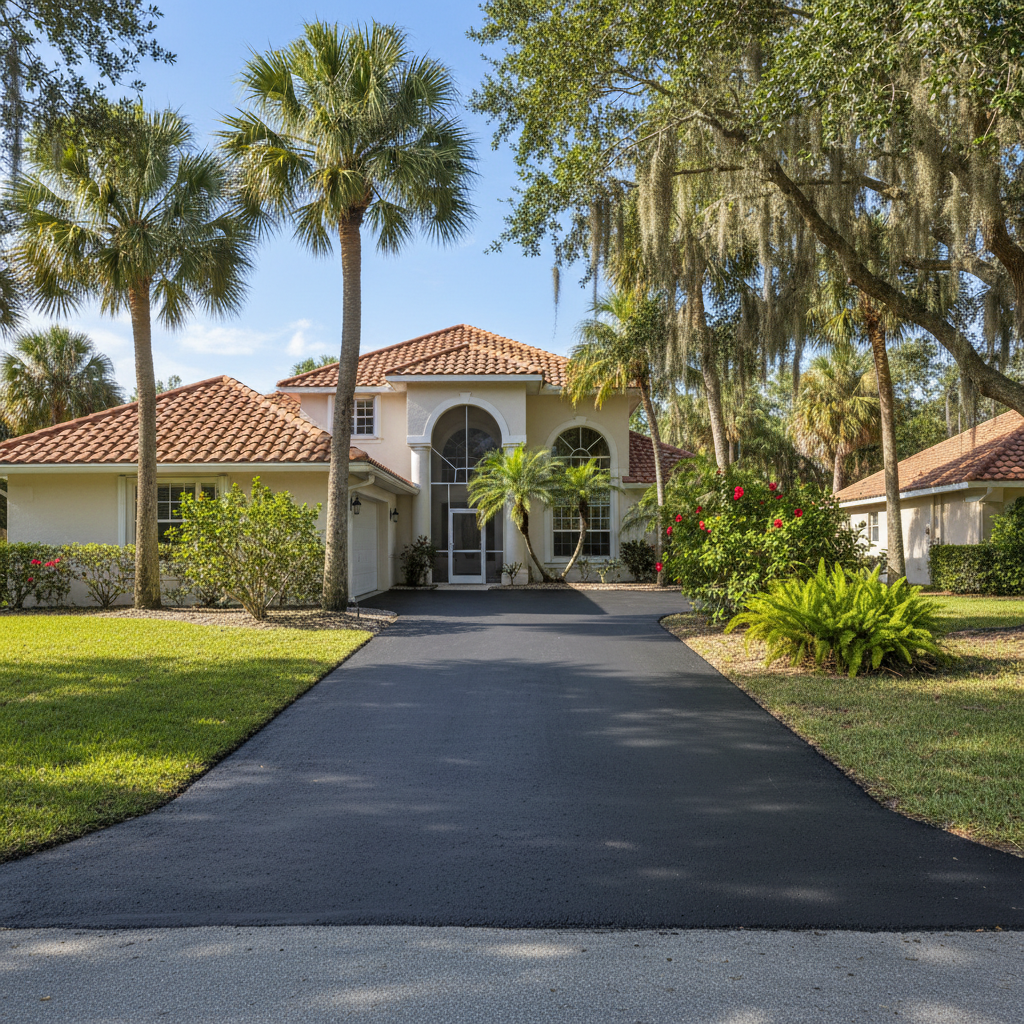
Don't Get Burned: How to Hire a Good Asphalt Contractor
So, you need some asphalt work done. Maybe your driveway's seen better days, or you're finally putting in that new parking pad. Whatever it is, you want it done right, and you don't want to get ripped off. I get it. I've been doing this a long time here in Daytona Beach, and I've seen plenty of folks get taken for a ride by less-than-reputable outfits. Here's what you need to know to protect yourself and get a solid job done.
What Questions Should You Be Asking?
When a contractor comes out to give you a quote, don't be shy. This is your property and your money. Ask away. Here are some key questions I'd want answers to if I were in your shoes:
- Can you provide proof of insurance? Specifically, general liability and workers' comp. If they can't, or they hem and haw, that's a huge red flag. You don't want to be liable if someone gets hurt on your property.
- How long have you been in business? A long track record, especially locally, usually means they're doing something right.
- Do you have references? Ask for three, and actually call them. Ask about the quality of work, if they stuck to the schedule, and if there were any unexpected costs.
- What kind of asphalt will you be using? There are different mixes. For residential driveways around here, you want a good, durable mix that can handle our heat and occasional heavy rains.
- What's your process for preparing the sub-base? This is critical. If they don't prepare the ground properly, your new asphalt won't last, especially with our sandy soil near the coast. They should be talking about proper grading, compaction, and drainage.
- What's your warranty? Get it in writing. A good contractor stands behind their work.
What to Look for in a Quote
Don't just look at the bottom line. A good quote is detailed. It should clearly outline:
- Scope of Work: What exactly are they doing? Is it just paving, or does it include excavation, grading, and removal of old material?
- Materials: What type of asphalt, how many inches thick, and what kind of base material?
- Timeline: When will they start and finish?
- Payment Schedule: Be wary of anyone asking for a huge upfront deposit. A reasonable deposit is fine, but you shouldn't be paying for the whole job before it even starts.
- Warranty Information: Again, get it in writing right on the quote.
Compare quotes, but don't automatically go with the cheapest. A super low bid can often mean they're cutting corners on materials, labor, or insurance. You'll pay for it later, believe me.
Red Flags to Watch Out For
Some things should make you hit the brakes immediately:
- Door-to-door solicitations: